Computerised analysis of jaw movements
Masticatory system diagnostics
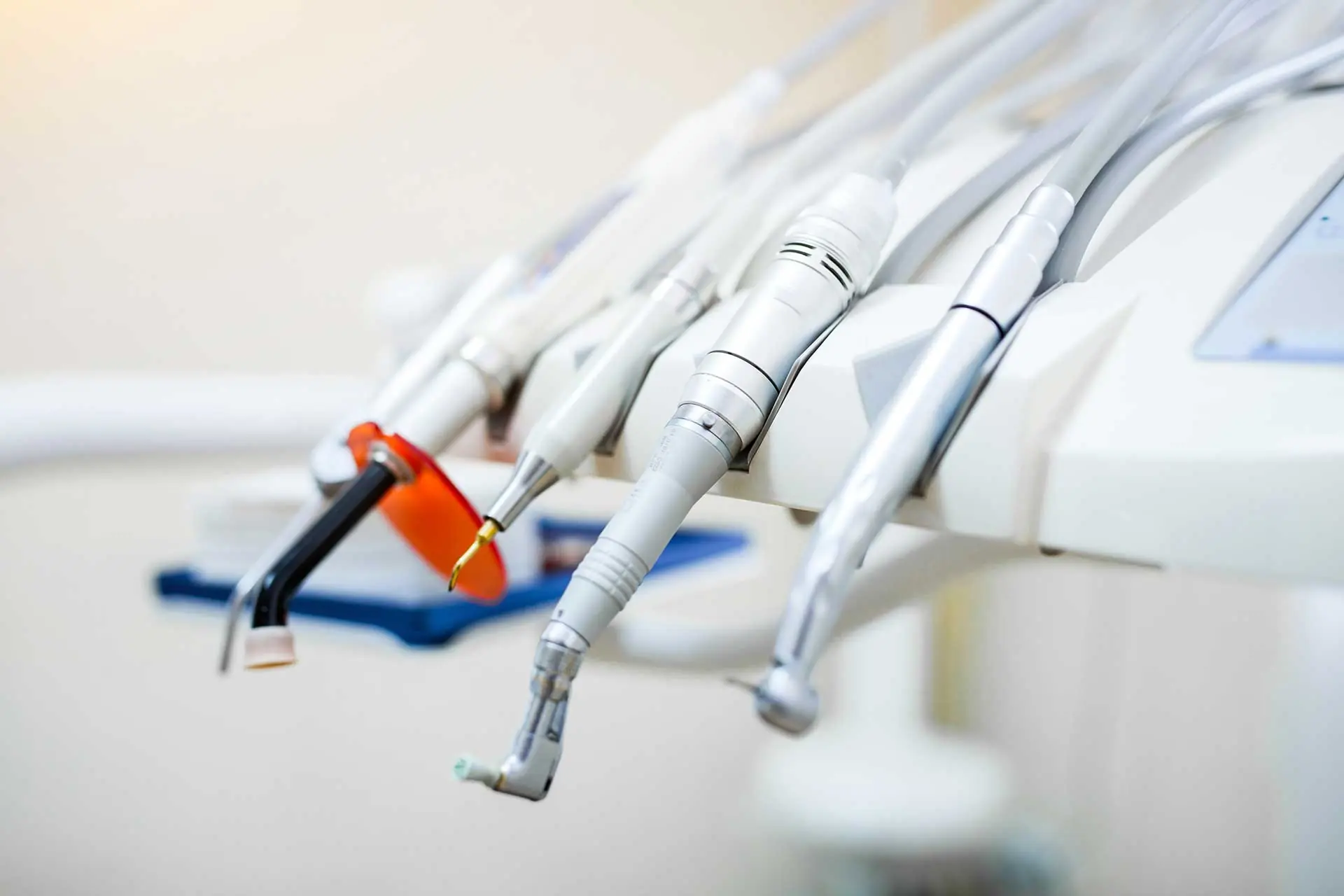
Computerised analysis of jaw movements and a digital assessment of how the joints and muscles work. We use the result of the examination to plan the therapy precisely.
Tools
Digital diagnostics of the masticatory system
In diagnosing masticatory system disorders we use computerised analysis of jaw movements, which makes it possible to assess how the temporomandibular joints work, muscle tension and how the dental arches relate to each other during movement. We use the results of the examination to plan the therapy precisely and to assess how the joints function.
We supplement the diagnostics with a detailed clinical examination and, where necessary, modern digital imaging diagnostics available on site at the clinic. This allows us to determine the cause of the complaints accurately and to plan individual treatment adapted to the patient's needs.
Examinations
What we examine
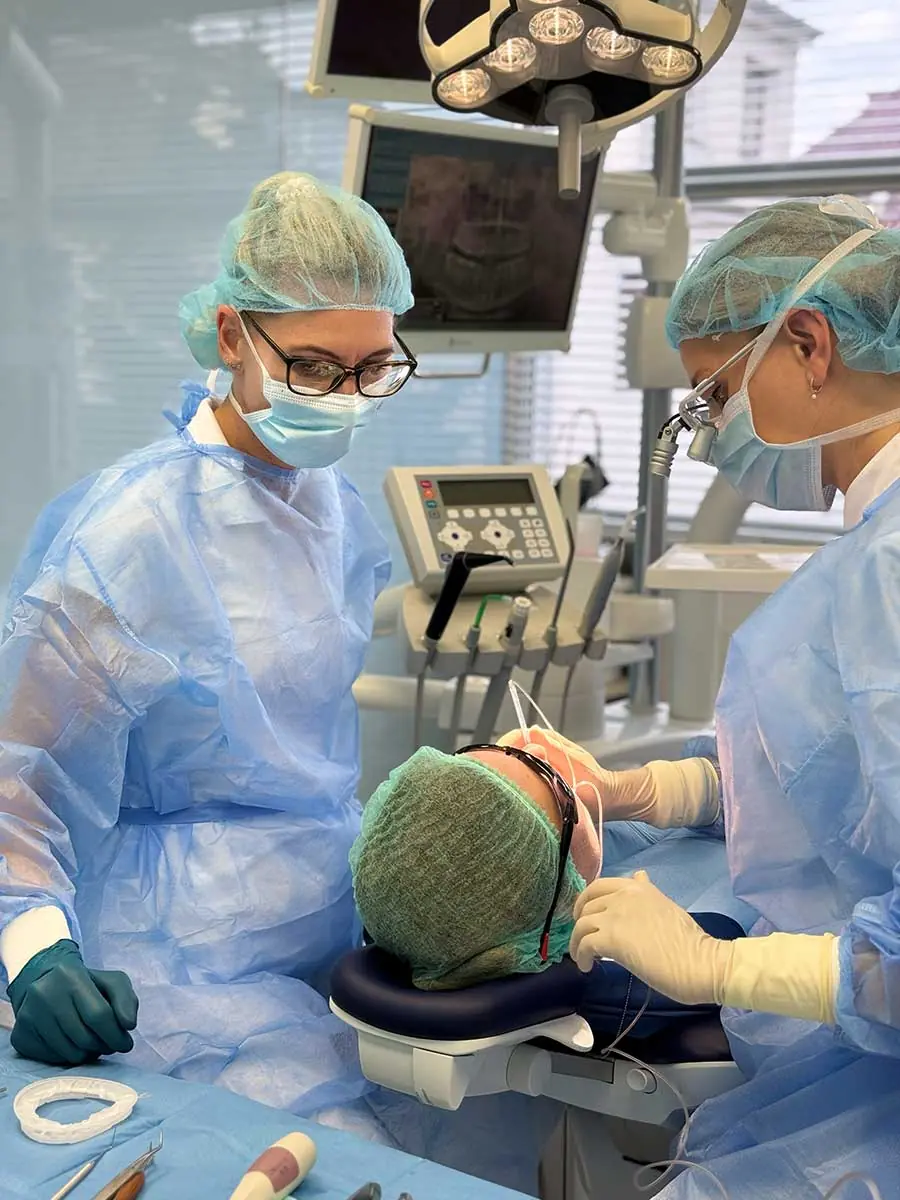
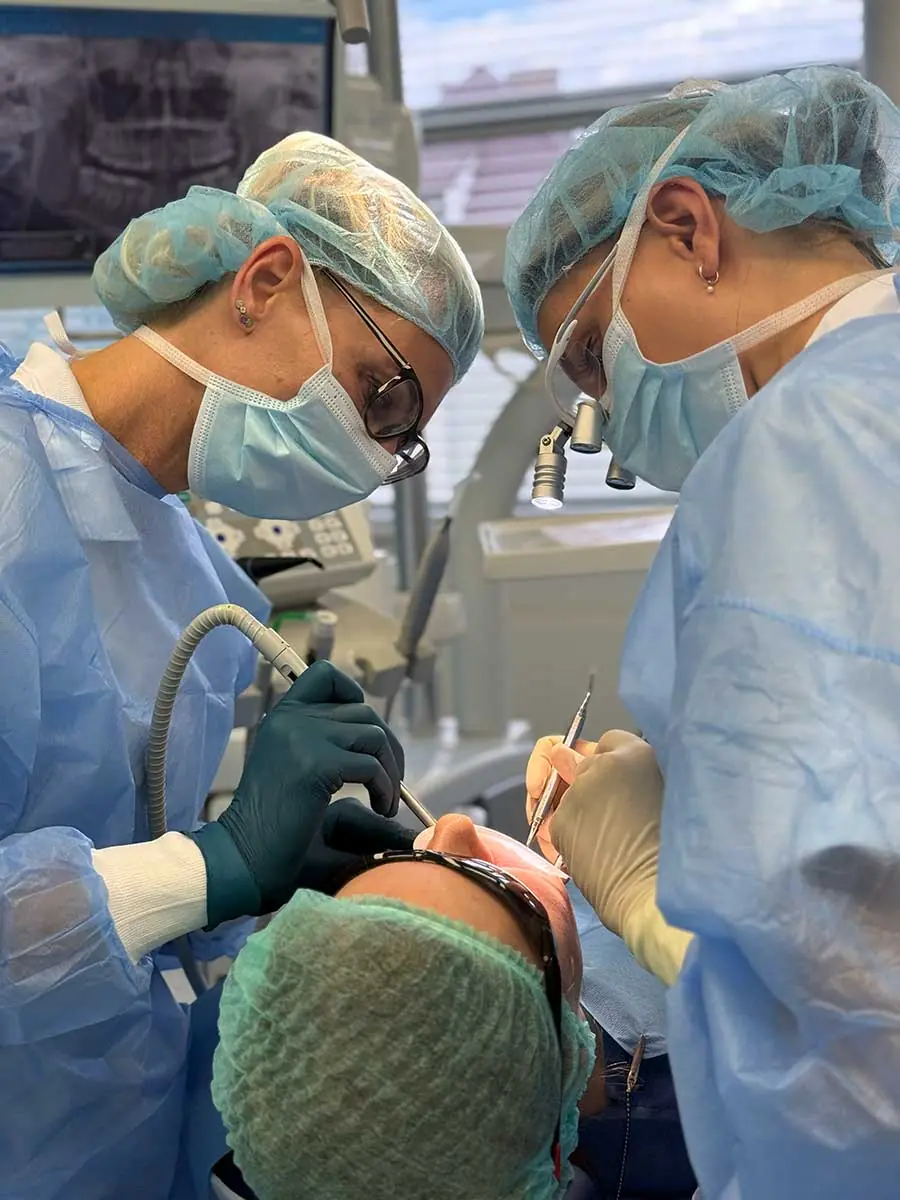
Detailed diagnostics are essential to identify the problem accurately and to plan the therapy properly. At the HAHS clinic we carry out many tests of the temporomandibular joints and the masticatory muscles, using modern technologies, some of which are not available in Europe.
- →EMG - the equivalent of an ECG for the facial muscles
- →Ultrasound of the temporomandibular joints
- →T-scan - an image of how forces are distributed across individual teeth
- →Arcus Digma - an electronic 3D recording of how the temporomandibular joints work
Thanks to these examinations we can reduce or eliminate headaches and clicking in the joints, restore the proper function of the teeth, design prosthetic work more precisely, check for overloading of the teeth, establish why prosthetic work or natural teeth are chipping, and even correct a postural defect. If you are not sure whether your complaints are related to this, it is worth looking through the list of symptoms or contacting the clinic (contact). The next stage is treatment.
Next step
Book a consultation - we will plan your first visit with care.
A conversation, thorough diagnostics and a treatment plan. No rush, no pressure.